


10/23/2020:
Read my newest article on Personality Disorders here: https://www.drmichaelperrotti.com/wp-content/uploads/2020/10/Personality-Disorders-Article-1.pdf
10/23/2020:
Read my newest article on Personality Disorders here: https://www.drmichaelperrotti.com/wp-content/uploads/2020/10/Personality-Disorders-Article-1.pdf
By Michael J. Perrotti, PhD.
(Zaleski and Klein, 2018) conducted research on classifying the non-consensual sharing of images as sexual assault. Zaleski conducted a qualitative analysis on issues focused on the intersection of sexual assault and other forms of sexual violence, including revenge porn. They do note that victims do feel trauma secondary to revenge porn, viz, shame, post-traumatic stress. They note that post-assault symptoms associated with a sexual assault such as shame, self-blame, psychophysiological symptom, and hypervigilance also pertain to an individual who has had sexual images shared in a non-consensual way. Researchers at USC School of Social Work note shared symptomatology effects shared by both revenge porn and sexual assault survivors, viz, loss of trust, self-blame, anxiety, depression, suicidal ideas, and PTSD.
This author has conducted forensic and clinical assessments on patients who are victims of non-consensual sharing of sexual images. In the cases of these patients, although the target events for PTSD, viz, a victim of a violent event or witnessing a violent event are not met, these patients display many of the symptoms of PTSD, viz, hypervigilance, intrusive, repetitive thoughts, triggering of events in the environment by a discriminative stimuli. Moreover, this author posits that non-consensual sharing of intimate images is a violent act, viz, an individual’s privacy and boundaries are taken from them and distributed to others.
The author posits that this lack of fit between the DSM-V criteria for PTSD and symptomatology of victims of non-consensual image sharing and cyberbullying is due to problems with the construct validity of PTSD. (Hermosilla, 2018) relates that reliability and accurate conceptualization of the structure of PTSD is essential to the development of effective assessment and treatment. Her study on the 2010 Haiti earthquake survivors noted a lack of congruence of the DSM-V construct to a culturally diverse sample. Her study also found that the DSM-V model had the poorest relative fit for her sample compared to the anhedonia model. Similarly, there are problems with the DSM-V model of PTSD lack of capturing of the population of victims of cyberbullying and non-consensual image sharing.
(Klein, 2018) at USC posits that victims of non-consensual image sharing and cyberbullying display symptomology similar to victims of sexual assault. This author has found this to be true in clinical practice. Victims of non-consensual image sharing and cyberbullying, display symptoms of PTSD, viz, intrusive repetitive thoughts of the trauma, hypervigilance to the environment, psychophysiological symptoms, triggering of distress by discriminative stimuli in the environment, triggers of the traumatic event, shame, survivor guilt and distortion of body image. Assessment of these patients reveals similarities to sexual assault victims, viz, loss of control over the privacy of body boundaries, victimization, and exploitation. This is yet another example of a group of individuals who do not present an exact fit to the DSM-V consistent with PTSD. As with samples of refugees, and other diverse populations, the DSM-V construct of PTSD does not capture these important populations who are beset by trauma and victimization.
Practitioners are urged to consider the similarities of symptomatology and the trauma matrix between both groups of sexual assault victims and victims of cyberbullying and nonconsensual image sharing in their assessments and treatment plan. These individuals undergo significant suffering and emotional distress. First and foremost, treatment should provide support and address issues with self-esteem. Cognitive Behavioral Therapy (CBT) has been found to have positive outcomes with these populations
References
Hermosilla, S. (2015). Measuring Psychopathology: Exploring Construct Validity Evidence for
PTSD: A 2010 Haitian Earthquake Example (Doctoral dissertation, Columbia University Libraries).
Klein, J., & Zaleski, K. (2018). Non-Consensual Image Sharing: Revenge Pornography and Acts
of Sexual Assault. In Women’s Journey to Empowerment in the 21st Century: A
Transnational Feminist Analysis of Women’s Lives in Modern Times. Oxford University
Press.
The MSW@USC, the Online master of social work program at the University of Southern
California (January 30, 2018).
By Michael J. Perrotti, PhD.
Anxiety Disorders take many forms:
Panic Disorder
Separation Anxiety Disorder
Social Anxiety Disorder (social phobia)
Generalized Anxiety Disorder
Specific Phobia
Obsessive Compulsive Disorder
Body Dysmorphic Disorder
Hoarding Disorder
Trichotillomania (hair pulling disorder)
Excoriation (skin- picking disorder)
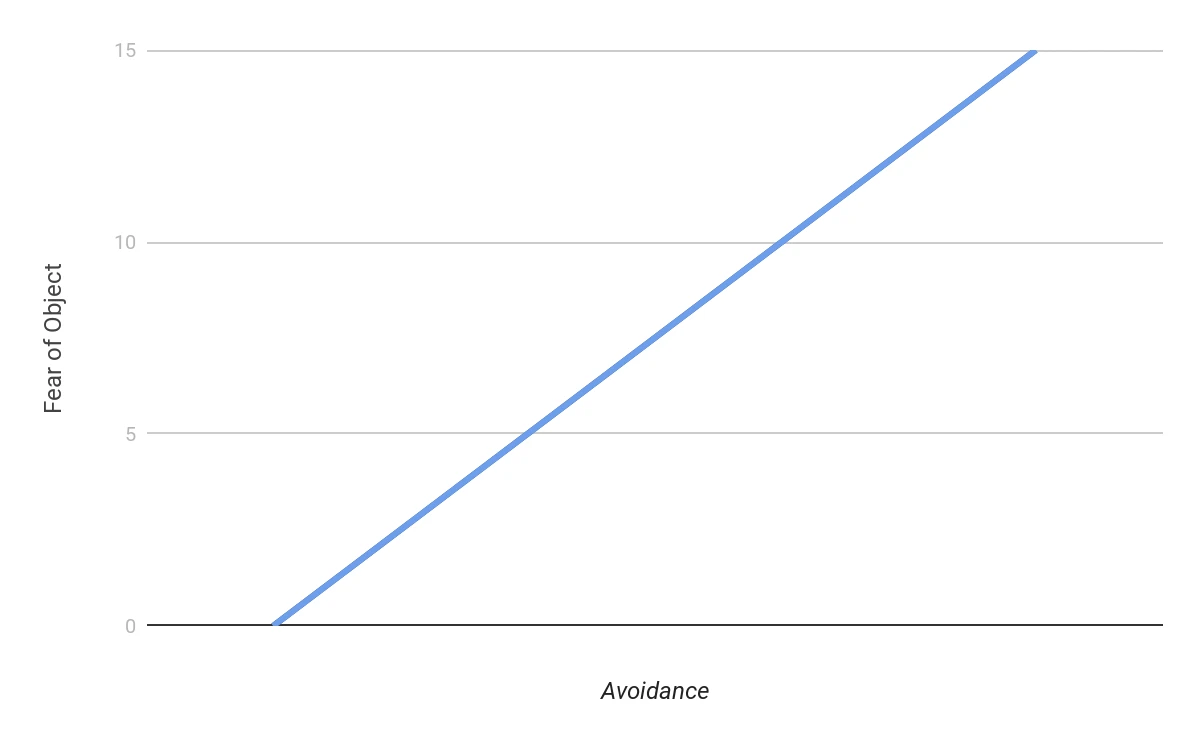
Panic disorder is characterized by recurrent panic attacks that occur unexpectedly followed by worry and behavioral change, as well as avoidance. A helpful tool with this disorder is “move forward”. As an individual continues to avoid their fears, the avoidance intensifies and becomes more solidified as a coping technique.
Gabbard (2014) notes that selective serotonin reuptake inhibitors (SSRI’s) have been well established for treatment of panic disorder. Venlafaxine has been FDA approved for panic disorder as well as benzodiazepine monotherapy (alprazolam). These are effective when first line treatments such as SSRI’s and SNRI’s fail.
Cognitive Behavioral Therapy (CBT) is recommended as a first line treatment for panic disorders (American Psychiatric Association, 2009). Cognitive restructuring assists patients with identifying thoughts that contribute to panic episodes and to recognize common errors in thinking that accompany fear and anxiety. Patients then generate alternative beliefs. Thoughts cause feelings. Positive alternative thinking diminishes anxiety. Psychoeducation is useful, including facilitating a strong therapeutic alliance, providing patients with a sense of hope and self-efficiency.
As noted in DSM-V, symptoms of SAD include distress with facing or anticipating separation from home or attachment figures as well as persistent worry about being abandoned. Among children with SAD, school refusal is common. Anxious attachments stemming from dependency produced by parental figures who are overprotective or who use coercive control increase the risk of SAD. Moreover, maternal dependency is inversely correlated with academic achievement. Letting children take risks and recover from them increases resiliency and strengthens their independence and sense of mastery.
SAD, also known as social phobia, encompasses fear and avoidance of social or performance situations, with prominent fear of embarrassment or humiliation. This disorder is very common with a reported lifetime prevalence of 12% (Ruscio, et al 2008).
The best supported cognitive behavioral treatment practices for individuals with SAD involve the combination of correcting maladaptive thinking patterns (cognitive restructuring) and confronting feared stimuli, ie, exposure to social situations.
Individuals with SAD often display problematic thinking patterns (eg, “they will think I’m weak if my voice shakes”) and disbeliefs, eg, (“If people really knew me, they wouldn’t like me”). During cognitive restructuring the psychologist and patient collaboratively identify distorted or maladaptive cognitions and challenge them using such strategies as Socratic questioning, logical disputation and behavioral experiments.
Mindfulness treatments are less effective than CBT, but can be more cost effective.
A substantial body of evidence demonstrated the effectiveness of several regimens of medicines for SAD including SSRIs and SNRIs have been found effective in clinical trials. SSRI’s are a first line treatment for SAD. Sertraline, fluoxetine, and venlafloxine have received FDA approval for SAD. (Gabbard, 2014) notes that buspirone is effective at a dosage of ≥ 45 mg/ day.
CBT is noted by (Gabbard, 2015) to produce more enduring effects than medicines alone.
GAD is a chronic and highly comorbid illness characterized by excessive and uncontrollable worry (Hecher, et al. 2005) and is associated with fluctuations in symptom severity and impairment (Witchen, et al. 2000). Recovery rates range from 32-58% and recurrence rate is 45-52% (Rodriguez, et al 2006) over a 2 year period. Patients with GAD anticipate negative outcomes or worst case scenarios. Cognitive behavioral therapy (CBT) is helpful and acts on restructuring thought processes and “resetting” negative thought patterns. CBT is the best established psychotherapeutic treatment for GAD. CBT promotes changes in patients via early anxiety triggers, challenging negative thought patterns, recurring avoidance behaviors and improving skills to manage worry and anxiety. Relaxation techniques are used to address elevated anxiety.
GAD is a chronic and highly comorbid illness marked by excessive and uncontrollable worry. GAD is typified by a later onset than other anxiety disorders. There is a low probability of recovery (32%-58%) and a likelihood of recurrence (45%-52%) (Rodriguez et al. 2006) over a 2 to 12 year period. GAD can be more debilitating than substance abuse disorders and personality disorder. Patients with GAD are vigilant in their environment for potential danger and negatively interpret neutral stimuli as threatening (Mathews & Mac Lord 1994). GAD is associated with restlessness, fatigue, irritability, concentration difficulties, muscle tension and sleep disturbance. Targeted interventions are necessary to address core symptoms.
(Gabbard, 2014) reports that CBT is currently the best established psychotherapeutic treatment for GAD. CBT is effective in identifying early anxiety triggers, challenging and disrupting patient’s misconceptions and factors producing worry, and anxiety and encourage developmental adaptive modes of responding to situations (Newman, et al. 2006). Patients are asked to engage in self-monitoring to identify anxiety triggers. Relaxation training and guided visual imagery are quite helpful in alleviating anxiety. Cognitive restructuring assists in replacing thought distortions with more accurate thoughts.
Relaxation techniques assist patients in relaxing a series of muscle groups and engaging in breathing exercises. Patients are asked to simultaneously “let go” of their worries while they relax. Once relaxation is established patients are asked to use relaxation techniques to challenge anxiety arousing thoughts:
(Gabbard, 2014) notes that individuals with GAD are more likely to be in enmeshed relationships, eg child or adolescent being parentified (Przeworski et al. 2011). GAD is more commonly associated with mental conflict or dissociation than any other anxiety disorder (Ahriman, 1999).
Attachment conflict and difficulties with early attachments are said to play a role in development and manifestation of GAD. In the absence of secure attachment, patients may view the world as threatening, and unpredictable. To build their source of control, patients may become perfectionists, be people pleasers, and require frequent reassurance concerning their worries.
(Crits-Christoph 1995) developed the model of supportive- expressive therapy (SET). In this model, traumatic events are seen as putting schemas in place as representations of self, others and the world that reflects uncertainty involving love, stability, security and practicum. SET assists patients to cope as well as express their needs and responding to others. SET was found to result in significant improvement in GAD symptoms and interpersonal problems.
OCD is characterized by recurrent and persistent thoughts, urges or images (obsessions) that are experienced, at some time during the disturbance, as intrusive or unwanted repetitive behaviors or mental acts (rituals or compulsions) that the person feels compelled to perform to lessen anxiety or discomfort (Rasmussen and Eissen, 1989). Investigations have shown that 75% of patients with OCD will engage in behavioral therapy and that most patients who do so faithfully show both immediate and sustained improvement. Griest and Jefferson (2014) report that effective behavioral therapy for OCD consists of exposure and ritual prevention. A critical phase of behavioral therapy for OCD is psychoeducation because patients vary in their willingness to directly confront their fears in therapy. Patients should be informed that their anxiety level may increase initially during exposure sessions. However, if a patient can tolerate the short term costs of behavior therapy, long term gain will be forthcoming.
SSRI’s have been seen as first line pharmacological treatment. A substantial body of evidence has demonstrated the effectiveness of several classes of medicines for SAD, viz, SSRIs, SNRIs and MAOI’s. SSRIs have emerged as first line medicines for SAD. The disorder effects include comorbid depression, risk of abuse, potential adverse effects on cognition, coordination and development of psychological disorders. Several studies have examined the effectiveness of CBT and medicines for CBT.
These modalities add external and interpersonal techniques to conventional CBT. Acute active therapy has been reported by (Gabbard, 2014) for GAD which has been reported to be more successful in reducing anxiety symptoms.
Specific Phobias
There are subtypes of specific phobia, viz, fears related to the clinical natural environment (heights, water), situational (dogs, cats), and others which include such phobias as fear of choking and vomiting.
Exposure therapy (ET) teaches patients to confront increasingly threatening situations in gradual steps. Initially ET is conducted with the psychologist and then at home in the form of homework. A fear hierarchy is created jointly by the therapist and patient involving confronting situations in the form of increasing severity. Exposure therapy enjoys a significant success rate (80-90%). (Choy et al 2007) found that brief psychological treatment can be sustained over time. Cognitive factors play a role in etiology and maintenance of phobias (Thorpe and Salkovskis, 1995).
Medicines have been shown to be of limited benefit in the treatment of specific phobias.
ET is the treatment of choice for specific phobia. This treatment can also be conducted with a supportive partner. Experts agree that at least 10 weeks of behavior therapy must be completed before concluding that SRI is ineffective. Patients in medication trials typically had a decrease in time spent with rituals and obsessions of at least 2 hours per day.
(Gabbard 2014) reports that adult (Foa et al 2005) and pediatric (Pediatric OCD Treatment Study) [POTS] trials found that behavioral therapy (exposure and ritual prevention for adults and children plus cognitive impairments for children) reduced severity in the Yale-Brown Obsessive Compulsive scale (y-BOCS) scores more than twice as much as clonipramine in adults and sertraline in children. Combining CBT and medicine added little benefit to behavioral therapy itself. (Gabbard, 2014) notes that medicine treats underlying depression and anxiety and may improve compliance with behavioral therapy which in turn improves the prospect of discontinuing medicine without rapid and substantial relapse of OCD.
Inositol is a second messenger precursor available in health food stores. In cross over designs, inositol was significantly more effective than placebo as behavior therapy for OCD (Fox et al 1996), but found effective as an augmentation for patient SRT’s (Fox et al 1999). (Gabbard, 2014) reports that trials of SRI augmentation in severe OCD with relazole, a glutamate antagonist, yielded a y-BOC reduction of 42%.
Evidence strongly supports the findings that Behavior Therapy is more effective than medicines in the acute phase and long term. Patients compliant with Behavioral Therapy and SRI’s have a positive outcome (50% reduction in obsessions and rituals).
(Phillips, 2014) reports that BDD is a common and often severe disorder whose core feature is preoccupation with one or more non-existent slight deficits in one’s physical appearance. The preoccupation causes clinically significant distress in impairment in psychosocial functioning and is not better explained by concerns with body fat or weight in an individual who meets diagnostic criteria for an eating disorder. Insight into the perceived flaws (eg, I look ugly) is usually absent or nil. Most patients are concerned that their view of their perceived deformities is accurate. All patients with BDD engage in compulsive behaviors with the goal of checking, fixing, hiding or obtaining reassurance about the perceived deficits. Poor psychosocial functioning and high rates of suicidality are characteristics of the disorder. These patients, believing that they are ugly or abnormal seek cosmetic treatment. Studies from mental health settings found that ⅔’s of patients with BDD receive surgery and dermatological, dental or other cosmetic treatment for their perceived flaws (Crernal, et al, 2005). In one study (n = 250) only 7% of such treatments led to overall improvement in BDD. (Phillips et al, 2004) and in another study (n = 200) only 4% of procedures improved overall BDD symptomatology. ( Crevard, et al, 2005). Due to most patients having poor or absent insight, they may be dubious that they have BDD and that psychiatric treatment can be of assistance. Patients may benefit from reading about BDD (e.g Phillips, 2009). Attempting to convince patients whose insight is poor that they look normal is usually ineffective and patients misinterpret comments, even if reassuring, in a negative light. On the other hand (Phillips, 2004) notes that it is of importance not to agree with patients negative view of their appearance as this may be devastating to them. Mental health professionals need to embrace the patient’s view of the world and provide understanding and support. This is essential to forming a therapeutic alliance.
Although no medicines are FDA approved for the treatment of BDD, serotonin uptake inhibitors (SRIs) are currently considered medicines of choice (Phillips, 2014). (Phillips, 2014) reports that all previous studies advocate that SRI’s are effective for BDD. Patients with delusional BDD beliefs often respond to SRI monotherapy. Cognitive Behavioral Therapy (CBT) is tailored to BDD’s unique symptoms.
Cognitive restructuring assists patients in identifying and evaluating negative appearance related thoughts and beliefs and identifying cognitive errors, e.g, all or none thinking. Patients learn to develop more helpful appearance related beliefs. Core beliefs (eg, being unloved, worthless or inadequate) needs to be addressed with more advanced cognitive techniques.
Response (ritual) prevention helps patients cut down on compulsive behaviors (mirror checking).
Exposure combined with behavioral experiments assist patients to gradually face avoided situations. (Phillips, 2014) relates that exposure is combined with behavioral experiments in which patients design and carry out experiments to test the accuracy of their beliefs, eg, going into a bookstore to test the hypothesis that 20% of people within a few feet of the patient will move away from them.
By: Michael J. Perrotti, PhD.
Schmidt (1983; 1992) published two articles describing Child Sexual Abuse Accomodation Syndrome (CSAAS). In his first article he asserted that CAAS consisted of five main components 1) Secrecy 2) Helplessness 3) Entrapment and Accomodation 4) Delayed Unconvincing Disclosure 5) Retraction. In his second article, Schmidt (1982) described what he saw as abuses of the CSAAS. He was particularly concerned that the CAAS was being misused in court to “diagnose” whether or not abuse has occurred. This writer frequently sees “experts” for the prosecution equating CSAAS with a defendant alleged to have committed child sexual abuse. In particular, delayed disclosure is equated with validity of child sexual abuse claims. While the syndrome has received high rates of attention in legal settings, including two highly critical reviews, the entirety of its issues have not been expanded upon. (Coden, Bruell, Ceci + Shwan, 2005; Coden, Bruell, Wright, Ceci, 2008). Bento (2012) went so far as to state CAAS should be considered as an example of “junk science” and should not be used in legal settings. Juries are misled by only a part of the true picture of CAAS being presented. Schmidt (1983) introduced CSAAS by claiming that accusers feel secondary trauma when their disclosure is viewed by significant individuals in their lives as a lie. Hunt asserts that secrecy creates fear in the child and the false promise of safety. In the secondary category of helplessness, Schmidt related that children are required to be obedient and appropriate with any adult entrusted with their care. His assertion is that perpetrators are often known to their victims. Thus, children are helpless against allegedly trustworthy adults. In entrapment and accomodation, Hunt represents that children hold themselves at fault for painful sexual events and that the child feels obligated to perpetrators. Schmidt argues that most ongoing sexual abuse is never disclosed and if family conflict triggers disclosure it is usually after years of continuing sexual abuse. This completely neglects to note that cumulative traumatic events in the form of PTSD result in acute anxiety impairing daily functioning. Schmidt notes that even when a child discloses child sexual abuse, he or she is likely to recant due to family dynamics such as seeing the family disrupted.
Ten years later, Schmidt (1993) published a response to what he described as distortion and misuse of CSAAS in the Courts. (Drohan and Bento, 2002) notes that Schmidt attested that CSAAS posed a threat to defense arguments that legitimate victims would fight back and that there are false complaints of sexual abuse.
As with any “syndrome” used to support child sexual abuse complaints in the courts, there are problems with experimental design. Lordn, Buuck, Wright and Ceci (2008) argued against research used in support of CSAAS. They questioned the representations of samples of children in forensic interviews, reliability of memory recall data and questionable abuse status. Evidence based interview protocols that lack leading questions yield high rates of disclosure (85%) lending support to the notion that denial is not common in substantiated abuse cases. (London et al, 2008). These same authors note that misinformation may stem from false disclosure elicited by highly suggestive interviewing techniques. Drohan and Bento (2012) note that Brodley and Wood (1996) noted disclosures of sexual abuse in 234 sexual abuse cases in CPS and observed recantation in only 4% of cases. Of the 4%, only ½ who recanted did so in response to pressure from a caretaker.
The term “CSAAS syndrome” noted by (O’Dohne and Bento 2012) is an imprecise term. They acknowledge that there is no clinical methodology to assess typical “valid” claims from those that are invalid. Schmidt (1992) himself notes that the intent of CSAAS used in court testimony is not to prove but to refute his thesis which produced endorsement of delayed or incomplete disclosure. Drohan and Bento (2012) note that Schmidt failed to provide empirical evidence that there is an aggregate to be treated as a group.There is no operational definition of what is meant by a “delay” in reporting.
Schmidt does not specify if CSAAS appears to apply to all children who are sexually abused. To boys? Girls? What age range? None of the variables are specified by Schmidt.
Long-Term Memory in Adults Remembering Sexual Abuse 20 Years Later
Goldfarb et al (2019) state that recent research confirms the possibility of false memories of childhood sexual encounters (Badanz, Slaver & Goodman, 1990; Liddonfield, 2015; Loftus, 1996). Goldfarb et al (2019) state that memories of highly emotional events are less susceptible to forgetting. However, one must take into account that memories are a constructive process. Individuals make source errors, viz, erroneously recalling characteristics of another situation. Imagination inflation refers to a finding that imagining an event which never happened can increase confidence that it actually occurred. Goldfarb et al (2019) note that there is disagreement about the extent of forgetting and errors in recall of information. There is also the phenomenon of suggestibility, especially with children, and the effect of suggestion and leading and suggestive investigative interviews on memory. “Recovered” memories from sessions with therapists are yet another source of memory contamination. Singer and Wixtel (2006) note that as the time between an event and a memory increases, individual differences will be evident in an individual adopting a conservative as opposed to liberal response strategy, which may in turn increase suggestibility. Memories also decay over time and are reconstructed and subject to distortion.
Contribution of PTSD and Depression to Errors in Reporting Events
Some investigators report that maltreatment history and/or PTSD symptomology are associated with increased accuracy of recall of abuse (Alexander et al 2005; Eisen, Goodman, Gin, Davis, & Crayton, 2007). However, it has also been proposed that individuals with trauma-related psychopathology such as PTSD or depression are more likely to err in reporting events (Otgaar et al 2017, Windmann & Kruger, 1998).
What is not addressed by those who propose that trauma (PTSD) results in vivid images of abuse and greater accuracy of memory is the phenomenon of dissociation which co-exists with PTSD. Individuals in dissociative states are detached from their surroundings and report out of body experiences. There is a disconnect of awareness, consciousness, and orientation to the environment. Goldfarb et al (2019) reports that memory errors may be driven by mental health symptomatology resulting from trauma, rather than by maltreatment itself (Eisen, 2007; Goodman et al, 2016).
Gender differences in memory for emotional childhood events have been documented, with males recalling fewer emotional childhood experiences (Daniels, 1999) compared to females (Goldfarb et al, 2019) reports that such differences may be more likely for an emotional event that is sexual in nature. As a consequence, males may be more reluctant than females to remember and disclose sexual details thus increasing commission errors (Vlman and Filipas, 2005); (Widsom and Morris, 1997).
Effects of Repeated Interviews
Memory rehearsal via repeated interviews and conversations with others regarding an event may reinstate memory but can also lead to erroneous memories (Gordon et al 2004; O, et al 2006) (Peter and Sara 2015; Peterson, Pardy, Tizzard-Drover and Warren 2005).
(Goldfarb et al 2019) reports that children who had been exposed to violence were recovered from their homes and placed in a forensic hospital and had an anogenital examination as part of the standardized forensic medical procedure, recalled the examination 29 years later. However 30 of the subjects did not recall being at the hospital at all exhibiting a “lost memory”. They also reported that depression is associated with comparatively accurate memory of negative childhood occurrences at least at 20 years later. Adult males were found to recall less than adult females (Denis, 1999) including childhood sexual abuse. Males were reported as more likely to exhibit a “lost memory” for being at the hospital, were less likely to report genital contact and were more likely to make omission errors in answering specific questions. It was also found that specific and misleading questions did not count as memory reports after 20 years. “False memory” was not able to be investigated.
Limitations
(Goldfarb’s 2019) study has limited statistical power due to a small sample size (n = 30).
Court Limitation on Long-Accepted Child Abuse Theory
The New Jersey Supreme Court (August 2018) agreed with a lower court that until aspects of the CAAS theory are well-defined and scientifically proven, that expert testimony about these aspects should not be introduced as evidence. The Supreme Court noted a number of shortcomings about the concepts of CAAS including labeling the theory as a syndrome, defining the five behaviors with precision and defining how the behaviors related to each other. Chief Justice Stuart Rabner wrote “based on the record before the Court, we conclude that the CSAAS (the Syndrome) does not satisfy a basic standard of admissibility – reliability – because it is not generally accepted by the scientific community”.
Conclusion
There are many problems with reliability and validity of the concepts of CSAAS. Unfortunately it has been misused and misrepresented by some prosecutors and prosecution experts and has been represented as being “associated” with the validity of claims of accusers. However, this assessment is problematic. This is at the expense of defendants. The courts are in the forefront of adversarial conflict and are entitled to evidence based research examining all sides of issues rather than “junk science”. Our justice system and a defendant’s presumption of innocence and civil rights under due process deserves no less.
Celik, Tahiroglu, and Avci (2008) relate that false allegations may occur because of memory distortions or contamination. The phenomenon of imagination inflation occurs when an individual commits a source error, viz, is erroneous in identifying the situation and circumstances of what they are recalling. The individual then embellishes and adds on to the erroneous source and attendant memory and believes that it is true. Celik, et al (2008) also note that recurrent and close-ended questions may result in recantations and/or false allegations, especially those made to the police and the Courts. The authors also note that all evaluations of psychosexual factors may be more valuable than examining any physical findings or psychiatric symptoms or disorders in children who have disclosed sexual abuse. In their research, they discovered that recanting cases must be followed for at least one year with multidisciplinary facilities such as social services, legal procedures, and child psychiatrists. They note that additionally recounting disclosure rates mostly focus on forensic samples rather than general population. Recanting disclosure rates, they note, are still a controversial issue. They recommend that further studies should evaluate recantation rates in high risk populations as follow up.
This examiner has frequently encountered forensic interview techniques that do not adhere to the Gold Standard NICHD interview protocols articulated by Michael Lamb, PhD. close ended interview techniques such as, “Where did he touch you?”, “What else did he do to you?”, are suggestive, tainted and the research reveals high rates of errors in information given. Moreover, children are very suggestive. Many individuals are acquiescent to authority and tell law enforcement what they think they want to hear. Another source of error is repetitive interviews. Information becomes increasingly distorted as accusers are interviewed by parents, investigators, law enforcement, etc. Celik et al (2008) also notes that experts need to be aware of children who may show a tendency to recant due to their psychosexual backgrounds.
“Sex Offenders!” Do they all need GPS tracking.
By: Michael J Perrotti, PhD.
Clinical and Forensic Neuropsychology
The other day, I was in a class with law enforcement and was stunned to hear the presenter, a “Sex Crimes Investigator”, state with reference to individuals convicted for sex offenders. “They all recidivate. They all go back to jail.” I told him that was incorrect. That this was not supported by the research literature on offense rates. For example, DOJ rates for reoffense with Incest offenders are in the area of two percent.
Individuals fall into many different categories with respect to sexual offenses. There are
Doubtful Offenders – accused but issues are in dispute; Situational Offenders. These are individuals who act out sexually due to extreme stressors such as divorce and substance abuse. This examiner has evaluated many of these individuals who seek treatment and have successful outcomes. Then there are preferential offenders, viz, offenders with a preference for children.
In reference to child pornography (non-contact) offenders, recidivism rates are low. Some individual’s behavior stems from deprivation of affectional needs in the family. Thus, one can not make a blanket statement that all sex offenders suffer from sexual deviation. A thorough and comprehensive forensic psychosexual assessment is needed.
The overcategorization of individuals in the category of sex offenders with need for monitoring and GPS tracking has resulted in personnel being overwhelmed in the system. It is incumbent upon psychological experts to educate the courts that sex offenders are not all pedophiles, but a complex mix of many other dynamic issues. Even with respect to individuals with elevated recidivism rates, relapse prevention groups are helpful in reducing reoffense rates. Individuals in the groups are asked to keep diaries with a daily log of triggers, and intensity of particular behaviors. Protective Factors such as family support, and motivation for treatment also reduce reoffense risk.
